Plastic pyrolysis has been positioned as a technological bridge between linear plastic consumption and circular material recovery. By thermochemically converting polymer waste into hydrocarbon fractions, proponents argue it enables chemical recycling where mechanical routes fail. Critics, however, challenge both its environmental legitimacy and its systemic role in waste management. The debate is no longer theoretical. It is technical, economic, and regulatory.
The Technical Premise of Plastic Pyrolysis
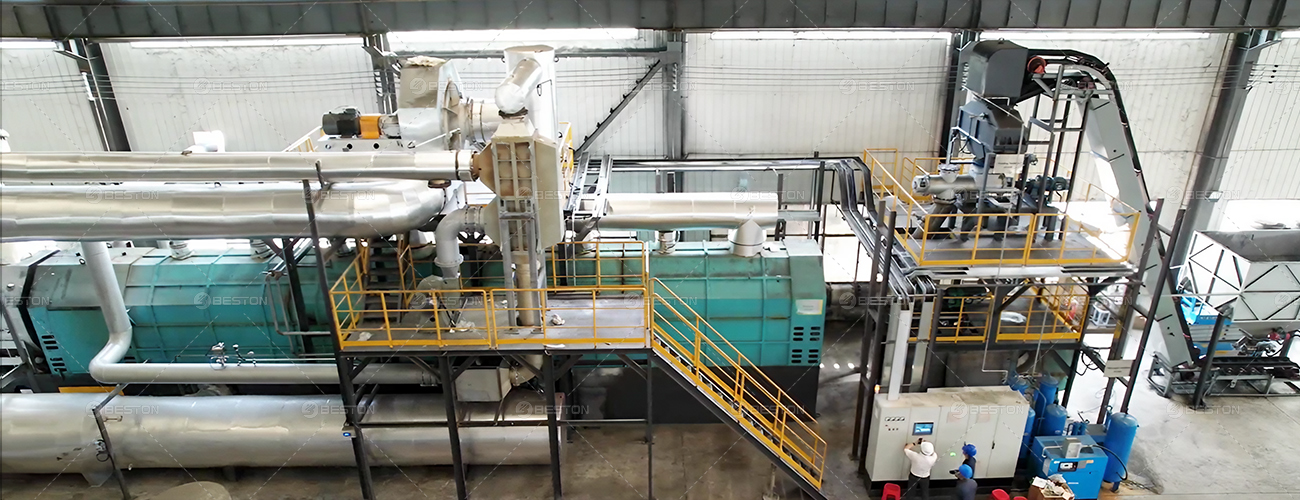
Plastic pyrolysis machine operates by heating polymeric waste in an oxygen-deprived environment, typically between 400 °C and 600 °C. Long-chain macromolecules undergo random scission, yielding a mixture of pyrolysis oil, non-condensable gas, waxes, and solid residues.
In principle, these outputs can be reintroduced into petrochemical value chains. Pyrolysis oil may be upgraded into naphtha-like feedstock, while off-gas supplies process energy. The core claim is molecular recycling: carbon atoms are preserved, not downcycled.
The technical validity of this claim depends heavily on feedstock purity, reactor design, and downstream upgrading capability. These dependencies form the foundation of the controversy.
Chemical Recycling Versus Energy Recovery
A central dispute concerns classification. Is plastic pyrolysis genuinely chemical recycling, or is it a variant of energy recovery with improved optics?
Chemical recycling implies that output hydrocarbons displace virgin fossil feedstock in polymer production. In practice, many pyrolysis oils require extensive hydrotreatment and fractionation before they meet cracker specifications. This upgrading consumes hydrogen, energy, and catalysts, eroding carbon efficiency.
When pyrolysis outputs are instead combusted as fuel, the process functionally resembles waste-to-energy. Critics argue that labeling such systems as recycling distorts policy incentives and undermines recycling hierarchies.
Feedstock Complexity and Process Limitations
Mixed plastic waste streams present significant chemical heterogeneity. Polyolefins dominate pyrolysis feedstock, but even small fractions of PVC, PET, or multilayer composites introduce chlorine, oxygen, and nitrogen into the product slate.
These heteroatoms generate corrosive compounds and catalyst poisons. They also increase char formation and reduce oil quality. As a result, many facilities impose strict feedstock specifications, excluding precisely the plastics that are hardest to recycle mechanically.
This paradox weakens the claim that pyrolysis addresses the most problematic waste fractions at scale.
Environmental Performance Under Scrutiny
Lifecycle assessments of plastic pyrolysis yield divergent results. Under optimized conditions, greenhouse gas emissions may be lower than incineration and marginally competitive with virgin plastic production. Under less controlled scenarios, emissions approach or exceed those of fossil pathways.
A plastic pyrolysis plant often relies on external energy inputs during startup and off-spec operation. Fugitive emissions, incomplete combustion of off-gases, and residue handling further complicate emissions accounting.
Additionally, the generation of pyrolysis char and contaminated waxes raises disposal questions. These streams are not inherently benign and may require regulated treatment.
Regulatory and Policy Tensions
Policy frameworks struggle to categorize pyrolysis consistently. Some jurisdictions recognize it as recycling if outputs re-enter polymer production. Others classify it as recovery or disposal based on energy yield and emission profiles.
This ambiguity creates investment uncertainty. Subsidies, recycled content credits, and extended producer responsibility schemes may or may not apply depending on regulatory interpretation. Environmental organizations argue that premature policy support risks locking in suboptimal infrastructure.
Regulators, meanwhile, face pressure from industry to enable scale-up as a complement to mechanical recycling capacity constraints.
Economic Viability and Market Dependence
Plastic pyrolysis is capital-intensive. Reactor systems, gas cleaning units, condensation trains, and upgrading facilities impose high fixed costs. Profitability depends on stable feedstock supply and sustained demand for pyrolysis-derived hydrocarbons.
Market acceptance remains conditional. Petrochemical buyers require consistent composition and traceability to claim recycled content. Variability in pyrolysis oil quality increases transaction friction and limits offtake agreements.
In periods of low fossil feedstock prices, pyrolysis economics deteriorate rapidly. This cyclic vulnerability contrasts with the narrative of structural sustainability.
Systemic Role in a Circular Economy
Supporters argue that pyrolysis addresses material streams beyond the reach of mechanical recycling. They emphasize its compatibility with existing refinery and cracker infrastructure. From this perspective, pyrolysis is an enabling technology, not a replacement.
Opponents counter that expanding pyrolysis capacity risks legitimizing continued plastic overproduction. If waste is perceived as chemically recyclable, pressure to reduce polymer complexity and consumption diminishes.
This systemic concern transcends reactor performance. It questions whether pyrolysis aligns with waste prevention priorities or merely manages downstream consequences.
Transparency and Data Gaps
Much of the controversy persists due to limited public data. Commercial operators often treat yield, emissions, and upgrading efficiency as proprietary. Independent verification is scarce.
Without transparent mass balance and carbon accounting, claims of circularity remain contested. Stakeholders increasingly call for standardized reporting frameworks to distinguish demonstrable recycling from nominal conversion.
An Unsettled Technological Position
Plastic pyrolysis occupies an ambiguous space between innovation and contention. Its chemistry is sound. Its implementation is conditional. Whether it functions as a legitimate chemical recycling pathway or an energy-intensive detour depends on governance, system boundaries, and material discipline.
The debate is unlikely to resolve through technology alone. It will be shaped by policy definitions, market behavior, and the willingness to align process design with circular intent rather than rhetorical convenience.

Comments
No comments yet. Be the first to react!