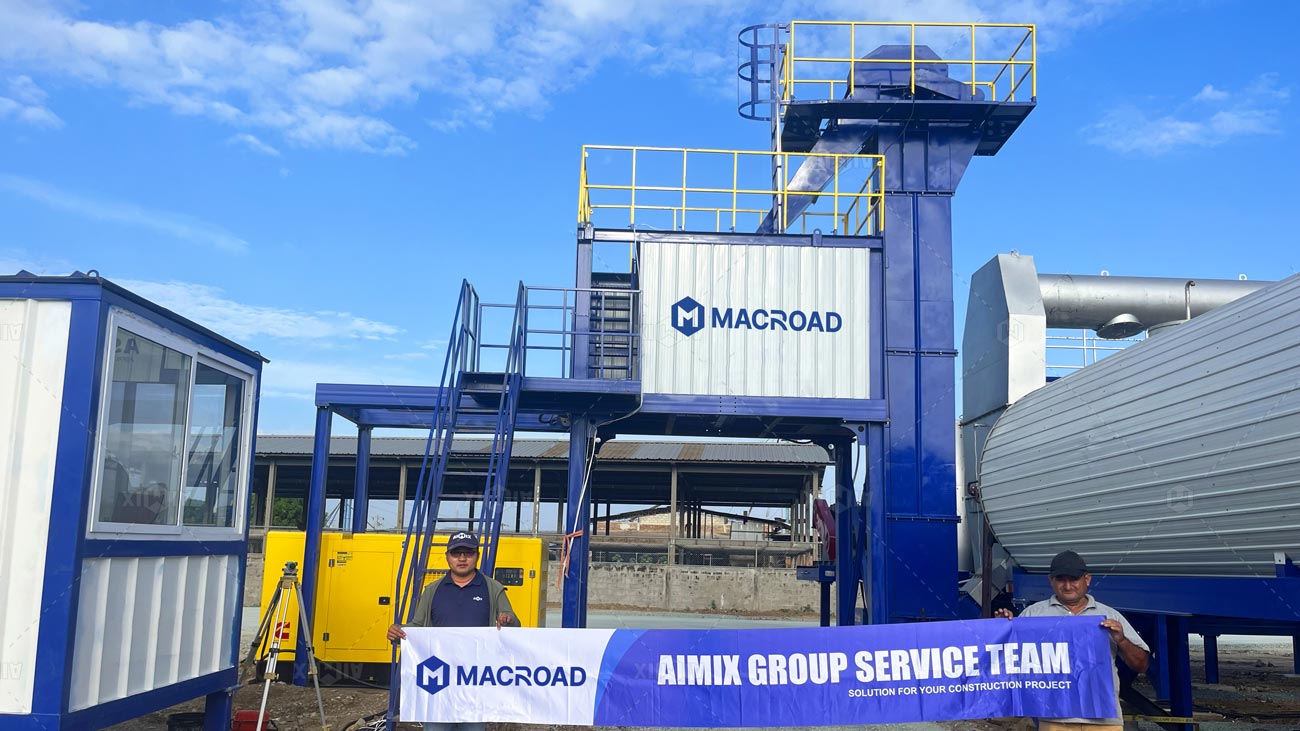
In Latin America, road and bridge construction often faces the challenge of difficult terrains and remote locations. Ensuring timely and cost-effective asphalt supply in such regions is critical for project success. Traditional stationary asphalt plants can struggle with accessibility issues, high transportation costs, and extended project timelines in mountainous areas. In this context, mobile asphalt plants(planta de asfalto móvil) have emerged as a practical solution for contractors seeking flexibility and efficiency.
Advantages of Mobile Asphalt Plants for Remote Projects
Mobile asphalt plants offer several benefits compared to stationary facilities, especially in challenging landscapes. One of the main advantages is their portability. These plants can be transported and set up close to the construction site, minimizing the need for long-haul transportation of asphalt. This not only reduces logistics costs but also mitigates the risk of material degradation during transport.
Additionally, mobile asphalt plants are often easier to install and require less infrastructure than traditional asphalt plants(planta de aglomerado). Contractors can quickly deploy a mobile asphalt plant in areas with limited road access, making them ideal for mountain highways or rural road expansion projects. By using a mobile asphalt plant, project managers can also adjust production based on real-time construction demand, reducing waste and improving overall efficiency.
Technical Considerations for Mountainous Regions
When deploying a mobile asphalt plant in mountainous terrain, several technical factors must be considered. First, site selection is crucial. The plant must be located on stable ground with sufficient space for material storage, vehicle movement, and safety zones. A slight elevation is often preferred to facilitate drainage and prevent flooding of the production area.
Second, the choice between a mobile asphalt plant and a drum mix asphalt plant(planta de asfalto continua y discontinua) depends on project requirements. Drum mix asphalt plants are continuous production units that are particularly efficient for high-volume projects. On the other hand, batch-type mobile asphalt plants provide greater flexibility for projects with varying asphalt specifications. Selecting the appropriate plant type ensures consistent asphalt quality while optimizing operational efficiency.
Environmental and Regulatory Considerations
Operating in remote and environmentally sensitive areas requires careful planning. Mobile asphalt plants are designed to meet emission standards and often come with advanced dust collection and noise reduction systems. Contractors must ensure compliance with local regulations in Latin American countries, which can vary significantly between regions. By choosing a mobile asphalt plant equipped with modern environmental control systems, companies can minimize ecological impact while maintaining production efficiency.
Cost Efficiency and Project Planning
Cost considerations are a significant factor in assessing feasibility. Mobile asphalt plants reduce transportation and material handling costs, which can account for a substantial portion of a project budget in remote areas. Additionally, the ability to produce asphalt on-site reduces delays caused by traffic congestion or poor road conditions.
Careful project planning is essential to maximize cost efficiency. Contractors should evaluate the expected daily asphalt consumption, distance to the nearest stationary plant, and terrain challenges. By aligning plant capacity with project needs, teams can avoid overproduction and minimize operational downtime.
Practical Applications in Latin America
Several road and bridge projects in Latin America have successfully implemented mobile asphalt plants. For example, mountain highways in Peru and Colombia have benefited from the on-site production of asphalt, allowing construction crews to maintain tight schedules despite steep slopes and limited road access. In addition, the flexibility of mobile asphalt plants has supported rural infrastructure development in remote areas of Ecuador and Bolivia, demonstrating their adaptability across diverse project conditions.
Key Takeaways for Contractors
For contractors considering operations in remote or mountainous regions, mobile asphalt plants provide a practical, cost-effective, and environmentally conscious solution. The ability to produce high-quality asphalt close to the construction site ensures project timelines are met while reducing logistical complexities. By carefully assessing site conditions, production requirements, and environmental regulations, contractors can leverage mobile asphalt plants to achieve efficient and sustainable road and bridge construction outcomes in Latin America.

Comments
No comments yet. Be the first to react!