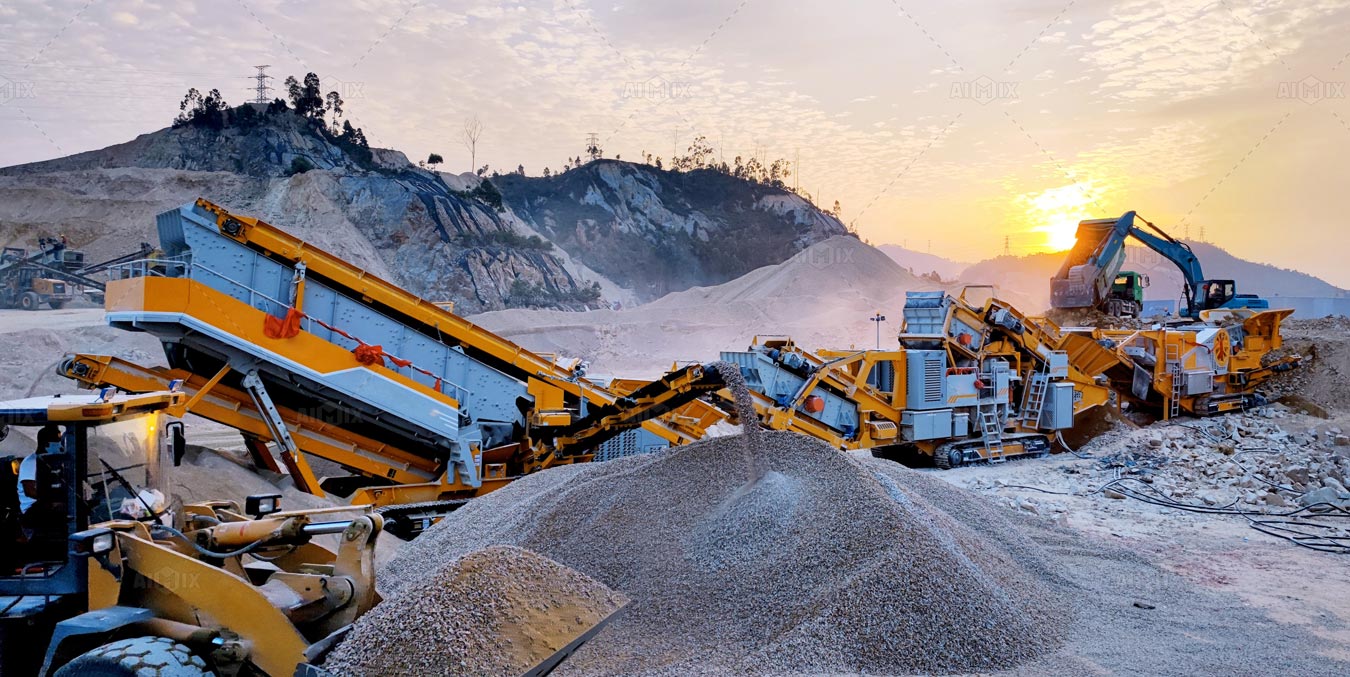
The Chilean mining sector stands as a cornerstone of the national economy, with copper extraction driving demand for a vast array of supporting industries. Among these, the production of high-quality aggregates for mine development is critical. From haul road construction to the creation of concrete foundations for processing facilities, the need for durable, precisely graded material is non-negotiable. This demand places immense pressure on crushing operations to deliver consistent output under some of the harshest conditions on earth. Whether it is a large-scale fixed installation or a modular setup, the design and specification of a stone crusher plant(planta de trituracion y cribado) in this environment must prioritize durability, adaptability, and throughput. The equipment must withstand extreme altitudes, abrasive materials, and the relentless pace of mine operations, making the selection process a complex engineering challenge that goes far beyond simple productivity metrics.
Understanding the Chilean Mining Environment
Before delving into machinery specifications, it is essential to understand the operational context. The Atacama Desert and the Andean highlands present a unique set of challenges that directly influence the technical requirements of any aggregate production system. The combination of geographic extremes and material properties creates a perfect storm of wear and mechanical stress that few equipment platforms can handle without significant modification.
Altitude and Its Impact on Machinery Performance
Many of Chile's most productive copper mines are situated at extreme altitudes, often exceeding 4,000 meters above sea level. At these heights, the air is thin, which significantly reduces the efficiency of diesel engines and affects combustion processes. A standard stone crusher plant designed for sea-level operation will experience power losses of up to 30% when moved to the high Andes. Therefore, any aggregate crusher plant(planta trituradora de agregados) destined for these sites must feature derated engine specifications or electrically powered components that are less susceptible to altitude-related performance drops. Contractors must verify that motors, generators, and hydraulic systems are specified with high-altitude kits to maintain rated capacities and prevent premature overheating. This is particularly critical for a mobile stone crusher for gravel production, where the plant may need to move between different elevations as the mine pit develops.
Material Abrasiveness and Wear Resistance
Copper ore is often accompanied by highly siliceous waste rock, which is exceptionally abrasive. When this material is processed to produce a stone crusher for gravel used in road base or concrete aggregate, the wear rates on liners, hammers, and screens can be staggering. A crushing plant that might operate for thousands of hours on limestone in other regions could see its wear parts consumed in a fraction of that time in the Atacama. This necessitates the use of manganese steel liners with optimized chemical compositions and the integration of wear monitoring systems that alert operators to impending failures before they cause costly downtime. The selection of an aggregate crusher plant must therefore include a detailed analysis of the bond work index and abrasion index of the local rock.
Primary Crushing: The First Line of Defense
The primary crushing stage sets the tone for the entire operation. It must handle large feed sizes from mine development blasting and reduce it to a manageable size for downstream processing. If the primary fails, the entire operation grinds to a halt, making reliability the single most important design criterion.
Jaw Crusher Specifications for Hard Rock
For a stone crusher plant operating in a copper mine, the primary jaw crusher must be overbuilt. The closed side setting (CSS) must be adjustable to compensate for wear, and the toggle plate design must be robust enough to handle unbreakable materials without catastrophic failure. When evaluating an aggregate crusher plant for this application, the focus should be on the depth of the crushing chamber and the eccentric shaft's diameter. These features directly correlate with the machine's ability to draw in large, blocky material and generate the high compressive forces required to fracture the hard, siliceous rock typical of Chilean copper deposits. A machine that is undersized in this application will experience frequent stalling and mechanical fatigue.
Secondary and Tertiary Crushing for Aggregate Production
Once the material is reduced to a manageable size, the focus shifts to producing specific gradations required for mine infrastructure, including the production of a reliable stone crusher for gravel(trituradora de piedra para grava) used in haul road maintenance. This stage is where the quality of the final product is determined, and where the flexibility of the plant is most tested.
Cone Crusher Configurations and Chamber Selection
Cone crushers are the workhorses of the secondary and tertiary stages in any high-performance aggregate crusher plant. In the Chilean context, the selection of crushing chamber geometry is critical. Short-head configurations are typically required for the fine crushing stages to produce the minus-20mm material often specified for road surfacing. However, the high silica content demands that these cones be fitted with automated setting adjustment systems. This allows the operator to maintain a tight closed side setting as the liners wear, ensuring that the final product gradation remains consistent throughout the liner life. Without this feature, the stone crusher for gravel produced late in the liner cycle may be too coarse, leading to rejection and waste.
Screening Efficiency and Media Selection
Crushing is only half the battle; effective screening is what separates usable aggregate from oversize material that must be recirculated. Inefficient screening leads to recirculation loads that choke the crushers and reduce overall plant throughput.
High-Frequency Screens for Fine Separations
In the production of a stone crusher for gravel intended for mine haul roads, the removal of fines is crucial. Excess fines can make the road surface slippery when wet or generate excessive dust when dry. Therefore, a modern stone crusher plant must incorporate high-frequency screens capable of making clean separations at small apertures, often as fine as 4 or 5 millimeters. These screens must be robust enough to handle the heavy bed depths associated with high-tonnage operations while maintaining the vibration intensity needed to prevent blinding by damp or sticky material. The choice between woven wire cloth and polyurethane media in an aggregate crusher plant is often determined by the abrasiveness of the material; polyurethane lasts longer but may have different blinding characteristics.
Portability and Mine Development Cycles
Copper mines are dynamic environments. As the pit expands or new waste dumps are developed, the need for aggregate often moves with the operation. A stationary plant that was perfectly located for one phase of mining may become logistically inefficient as haul distances increase.
The Role of Modular and Mobile Systems
While some mines rely on central, permanent aggregate crusher plant installations, there is a growing trend toward modular and mobile systems that can be relocated as the mine evolves. This allows operators to produce material closer to the point of use, reducing haulage costs for road stone. A mobile stone crusher plant designed for this environment must be easily disassembled into transportable modules without requiring extensive rewiring or civil works. It must also be designed to operate on uneven terrain, with robust leveling systems and heavy-duty tracked or wheeled undercarriages that can withstand the rough conditions of mine roads. The ability to reposition a stone crusher for gravel production quickly can result in significant fuel and time savings over the life of the mine.
Automation and Remote Monitoring
Given the remote locations of many Chilean mines and the shortage of skilled maintenance personnel, automation is not a luxury but a necessity. Mines operate 24/7, and relying on manual intervention for every adjustment is a recipe for inconsistency and downtime.
Integrated Control Systems for Optimization
A high-performance aggregate crusher plant should feature a centralized control system that monitors crusher load, power draw, and bearing temperatures. This system should automatically adjust feed rates to maintain optimal choke-fed conditions in the cone crushers, maximizing reduction ratios and minimizing recirculating loads. For a stone crusher for gravel production, this automation ensures that the sand and chip fractions remain consistent regardless of variations in the feed material. Furthermore, remote monitoring capabilities allow experts in Santiago or even abroad to diagnose issues and adjust parameters, reducing the need for onsite troubleshooting. This is particularly valuable for a stone crusher plant located in a remote, high-altitude site where travel is difficult.
Dust Control and Environmental Compliance
Chile's environmental regulations for mining are stringent, particularly concerning air quality in the desert regions where water is scarce and dust is a constant nuisance. Failure to comply with these regulations can result in fines, shutdowns, and reputational damage.
Enclosures and Dust Suppression Systems
Any modern stone crusher plant must be equipped with comprehensive dust control measures. This includes full enclosures around transfer points, the use of polyurethane screens that generate less noise and dust than wire cloth, and high-efficiency misting systems where water is available. In water-scarce regions, dry dust collection systems using baghouse filters are becoming more common. These systems capture particulate matter at crusher discharge points and screens, preventing the fine dust from becoming airborne and ensuring the operation remains within permitted emission limits. Investing in a well-designed dust control system is not just an environmental consideration; it is a community relations imperative and a requirement for maintaining operational permits. For any aggregate crusher plant operating near inhabited areas or protected ecosystems, this investment is non-negotiable.

Comments
No comments yet. Be the first to react!