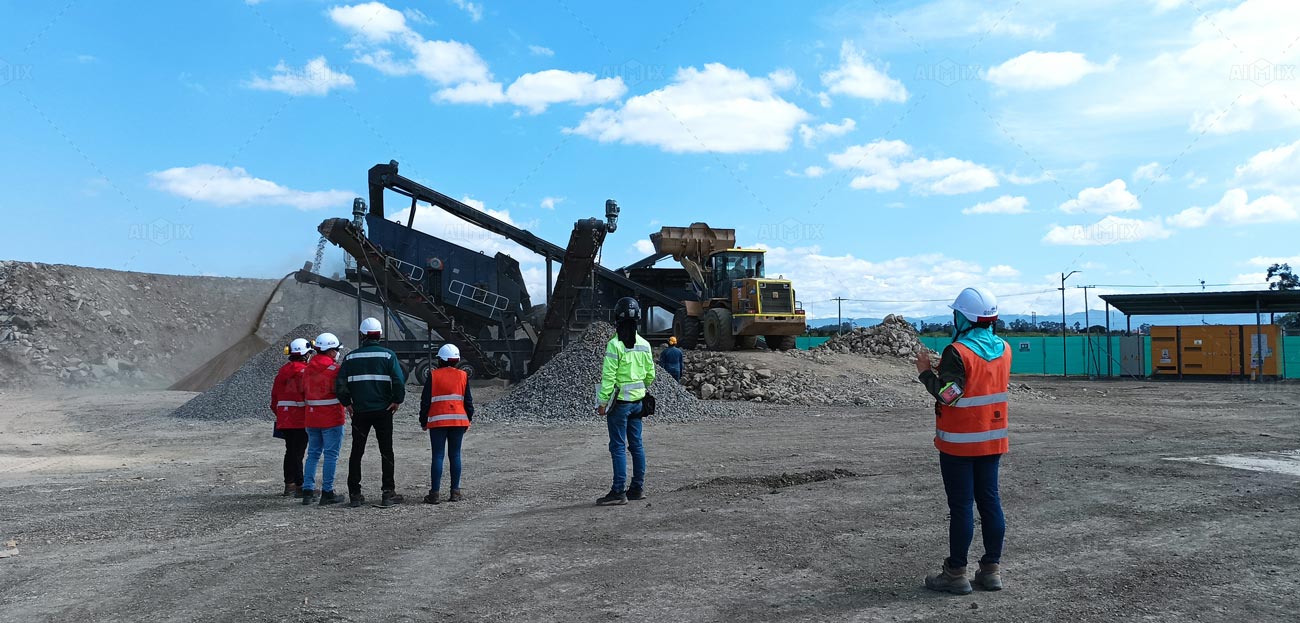
In the high-stakes environment of the mining and aggregate industry, equipment downtime is the ultimate profit killer. Stationary facilities and mobile stone crusher for sale units alike are constantly subjected to extreme dust, heavy moisture, and intense material impact. Among all the moving components within a processing circuit, the vibrating screens and feeders bear the brunt of this daily punishment. Traditionally, standard vibrator motors required frequent lubrication adjustments and bearing checks to avoid catastrophic failure. However, a major engineering shift has occurred with the introduction of side-panel motors, which routinely clock over 2000 hours of continuous operation without requiring any hands-on maintenance. Understanding the structural innovations behind this remarkable durability is essential for site managers looking to optimize their processing lines.
Whether processing hard granite or recycling demolition debris, achieving this level of mechanical endurance directly transforms the reliability of your entire crushing layout. When searching for an efficient stone crusher plant, seasoned procurement teams no longer just look at the primary jaw or cone crushers; they deeply evaluate the auxiliary vibrating equipment that controls the material flow. If a screening motor fails, the entire production line stops instantly. This guide explores the mechanical design principles that keep side-panel motors running flawlessly through grueling double-shifts, keeping your heavy-duty concrete crusher units and sizing screens constantly supplied with raw material.
Advanced Structural Isolation and Centrifugal Balance
The primary reason standard vibrator motors fail prematurely in aggregate processing is because their internal bearings are subjected to severe, concentrated kinetic stress. Side-panel motors solve this problem by altering how the eccentric weights transmit force to the screen box body.
Instead of relying on a centralized shaft that bends slightly under extreme loads, side-panel motors are bolted directly to the side plates of the vibrating screen or feeder. This direct mounting method distributes the heavy centrifugal forces evenly across a larger surface area of the steel structure. By reducing localized stress concentrations, the motor protects its internal components from the micro-misalignments that typically cause overheating, winding failures, and premature mechanical wear.
The Secrets of Zero-Maintenance Bearing Engineering
To survive 2000 hours of uninterrupted service without manual lubrication, engineers had to completely redesign the internal bearing housing and lubrication seals. This advanced bearing technology is what makes modern screening equipment so reliable, whether it is integrated into a heavy stationary layout or a compact mobile stone crusher for sale(vendo trituradora de piedra móvil).
Heavy-Duty Spherical Roller Bearings
Side-panel motors utilize specialized, oversized spherical roller bearings designed specifically for vibrating applications. These bearings feature a machined brass cage that provides superior stability under high accelerations. The spherical design allows for minor angular deflections, ensuring that even if the screen box twists slightly under a sudden surge of heavy boulders, the rollers inside the bearing maintain perfect alignment and rolling contact.
Hermetically Sealed Synthetic Greasing Systems
Instead of requiring daily or weekly grease gun maintenance from field technicians, these motors are packed at the factory with high-performance, synthetic long-life grease. The bearing chambers are protected by a multi-stage labyrinth sealing system combined with heavy-duty viton seals. This barrier effectively locks the premium lubricant inside the chamber while permanently blocking micro-fine stone dust, silica, and ambient moisture from entering. This zero-leakage, zero-contamination design allows the motor to maintain perfect thermal regulation over thousands of operational hours.
Lubrication Comparison: Traditional vs. Side-Panel Motors
| Operational Metric | Standard Vibrator Motors | Advanced Side-Panel Motors |
|---|---|---|
| Maintenance Interval | Every 100 to 250 operating hours (manual greasing) | Exceeds 2000 hours completely maintenance-free |
| Dust Protection | Standard rubber lip seals (prone to abrasive wear) | Multi-stage labyrinth seals with high-temp Viton |
| Heat Dissipation | Limited surface area; higher localized bearing heat | Direct-to-plate mounting allows the screen to act as a heat sink |
Optimizing Material Flow in Diverse Crushing Circuits
The exceptional durability of side-panel propulsion systems makes them highly versatile assets across various sectors of the aggregate and recycling industries. Their consistent stroke and zero-maintenance profile improve the efficiency of multiple processing setups.
- Primary Quarry Feeding: Positioned at the intake of a multi-stage stone crusher plant(planta trituradora de piedra), these motors handle continuous dumping from heavy haul trucks, maintaining a steady material feed without choking the jaw crushers.
- Recycling Demolition Waste: When powering screening decks downstream from an industrial concrete crusher, side-panel motors resist the intense vibrations caused by jagged rebar, concrete chunks, and brick fragments, preventing mechanical stalling.
- Portable Material Sizing: Because portable operations change jobsites frequently, using these motors on a mobile stone crusher for sale guarantees that the screening unit can operate autonomously in remote locations without requiring specialized maintenance crews.
Smart Operational Practices for Maximum Service Life
While side-panel motors are engineered to run for 2000 hours without hands-on maintenance, achieving this baseline requires proper installation and initial tuning. Site supervisors should implement the following engineering checks during commissioning:
- Torque Verification: Because these motors generate immense G-forces, the high-tensile mounting bolts must be tightened to the exact foot-pound specifications using a calibrated torque wrench during initial setup.
- Synchronized Phase Matching: When deploying dual side-panel motors on a linear screen box, operators must ensure that the electrical phasing is perfectly reversed so the eccentric weights rotate in opposite directions, creating a clean, linear throwing action.
- Structural Stiffness Audits: Periodically inspect the side plates of your stone crusher plant screening decks to ensure no fatigue cracks have formed in the steel body, as structural flexing can feed irregular stresses back into the motor housing.
Long-Term Economic Impact on Aggregate Yields
Investing in high-end side-panel motor technology represents a strategic shift toward data-driven asset management. Eliminating weekly lubrication routines does more than just save money on grease; it removes maintenance technicians from hazardous areas around active machinery and eliminates the risk of human error, such as over-greasing or using contaminated lubricants.
Whether you are running a high-output urban concrete crusher(trituradora de hormigón) recycling yard or deploying an agile mobile stone crusher for sale in a remote quarry, the reliability of your vibrating components dictates your daily tonnage. By embracing the zero-maintenance engineering of modern side-panel motors, aggregate producers can secure uninterrupted production, protect downstream crushing machinery, and achieve a significantly lower total cost per ton of finished aggregate.

Comments
No comments yet. Be the first to react!